Articles

Learn how we work on making Syria a Better Place.

Who Makes Up the Additional One-Third of Syria’s People’s Assembly?
Closing Report

Who Makes Up the Additional One-Third of Syria’s People’s Assembly?

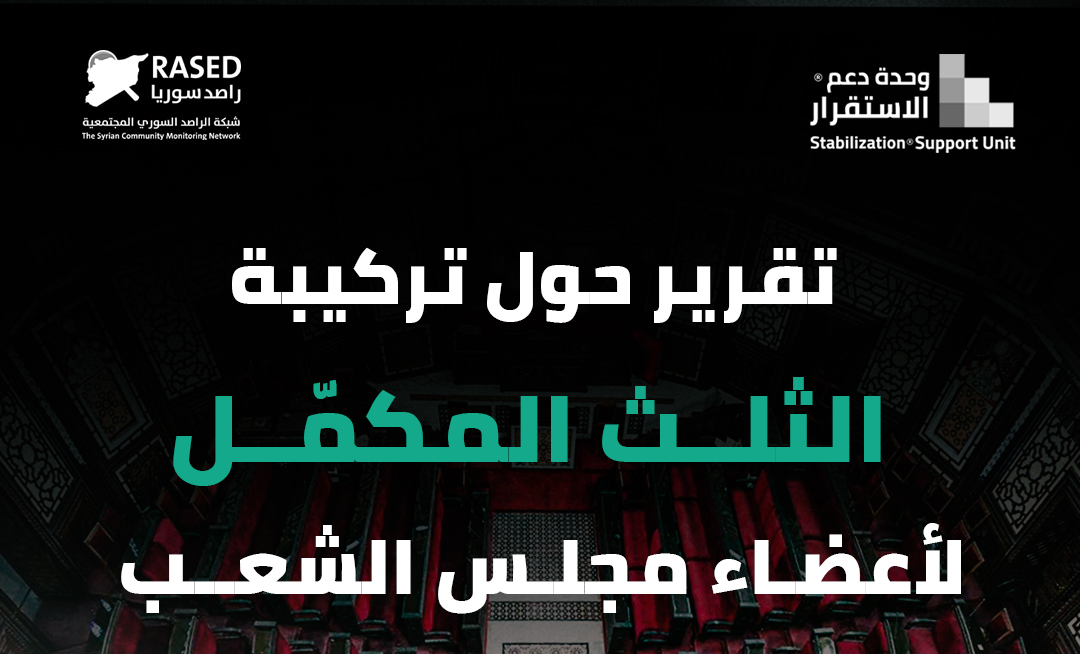
What does the composition of the additional one-third of the Syrian People's Assembly look like?

This report provides an analytical overview of the distribution of the 70 members in terms of governorates, professional backgrounds, educational levels, gender representation, and special categories. It reveals notable disparities in geographical and professional representation, alongside a strong presence of religious and academic elites and a relatively high educational level.

What do the numbers reveal about the balance of representation within the list? And what are the political and social implications of this distribution?

To read the full report:
https://drive.google.com/file/d/1Jc3GDkKn1iVzvVq13dyKFycmZZR6Y8uD/view?usp=sharing

Read the full report in English:

https://drive.google.com/file/d/1rKM9YgWo8zF9uSJ-hSr2JBGIeMdSXrdE/view?usp=sharing

Follow Rased Syria on Facebook:
https://www.facebook.com/share/p/1EBcXsyamm/
Final Analytical Report on the Syrian People's Assembly Elections in Al-Hasakah and Aleppo Governorates
Closing Report

Final Analytical Report on the Syrian People's Assembly Elections in Al-Hasakah and Aleppo Governorates

Final Analytical Report on the Syrian People's Assembly Elections in Al-Hasakah and Aleppo Governorates

This report, prepared by the Stability Support Unit – Syria Observer Network, provides a comprehensive analytical assessment of the electoral process in the constituencies of Al-Hasakah, Qamishli, Al-Malikiyah (Derik), and Ain al-Arab (Kobani).

The report is based on the results of the October 2025 elections and follows subsequent electoral developments, aiming to provide a deeper understanding of key electoral indicators, including:

▪️ Levels of political and social representation
▪️ Voter participation rates
▪️ The nature of competition among candidates and electoral lists
▪️ The impact of the Electoral Bodies System as a transitional mechanism for parliamentary representation

For more details, please refer to the attached link.

https://drive.google.com/drive/folders/1H9mlr_WiGIXy5K_kkbMi5sOrdFM60V9i

Conclusion of Training Workshops for Empowering Syrian Women Legislators in Amman
Closing Report

Conclusion of Training Workshops for Empowering Syrian Women Legislators in Amman

Conclusion of Training Workshops for Empowering Syrian Women Legislators in Amman

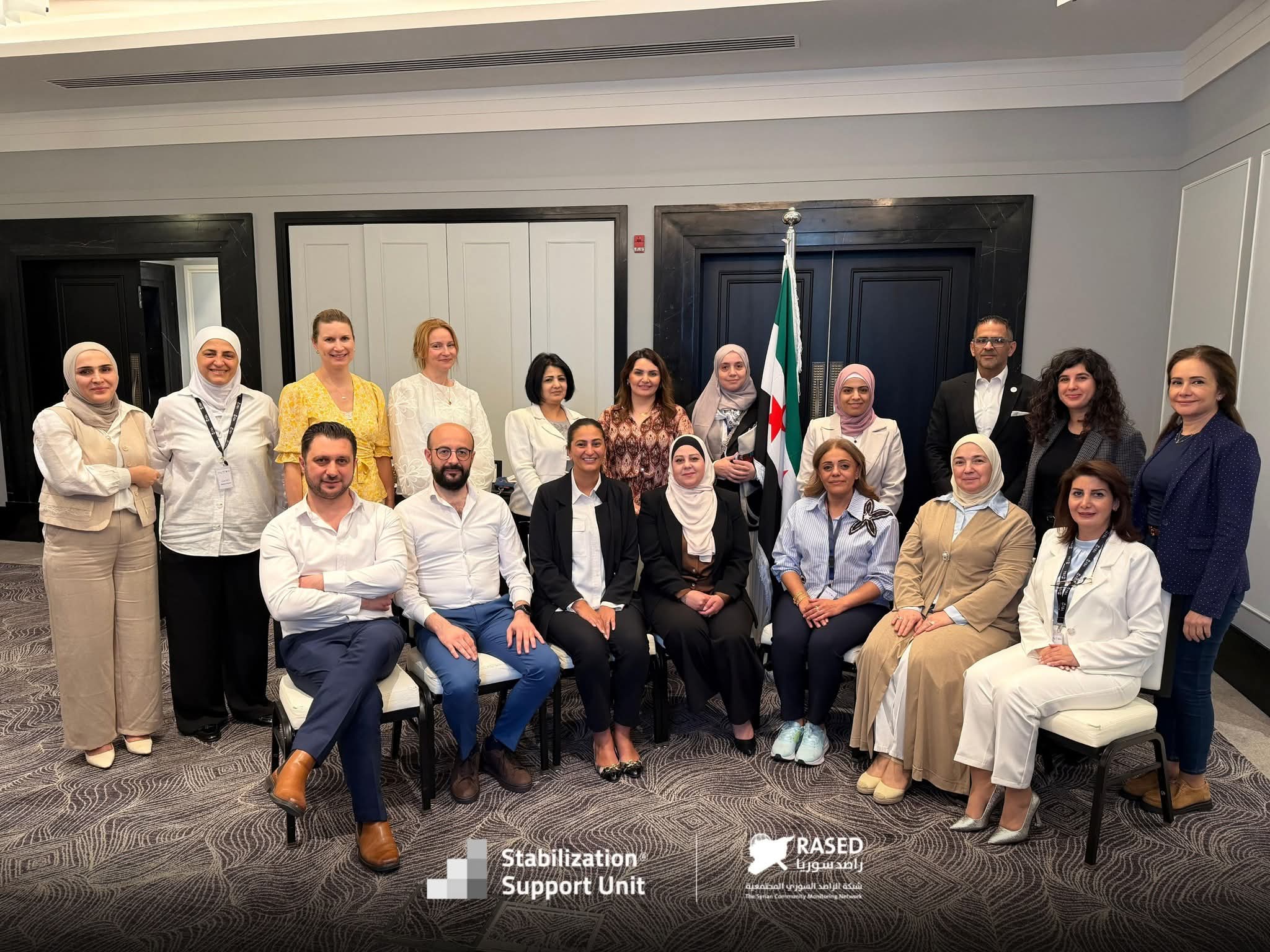
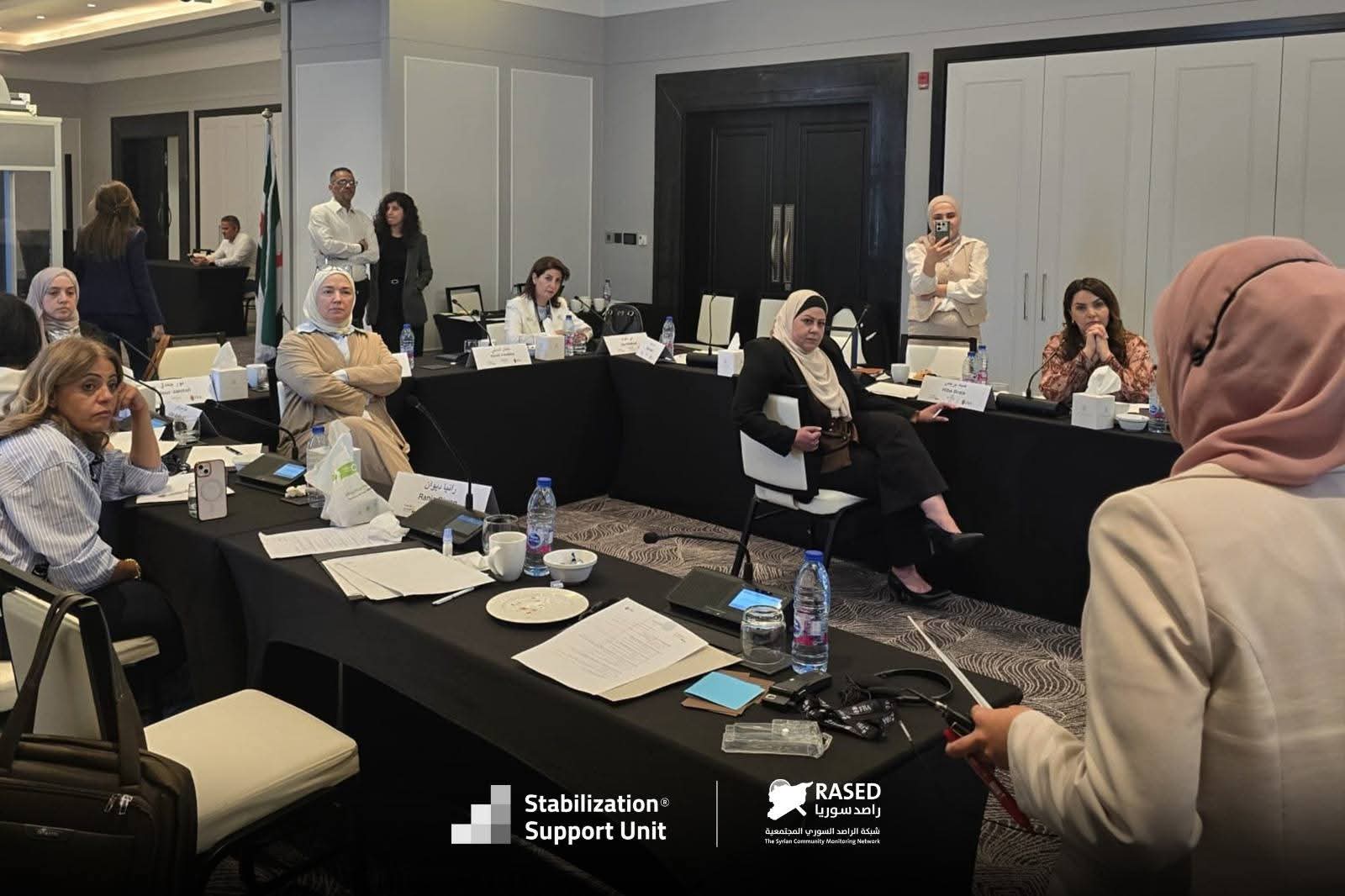
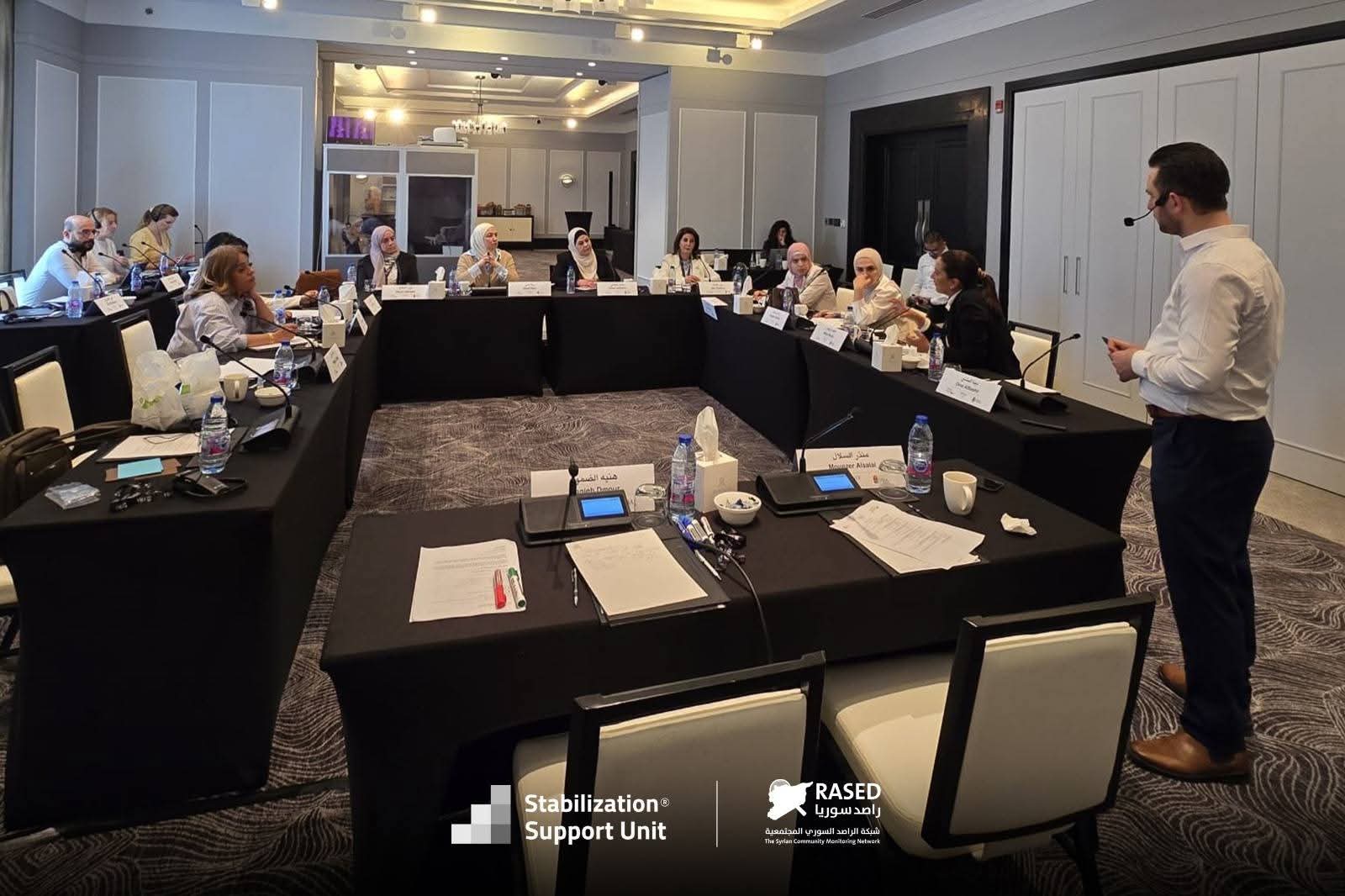
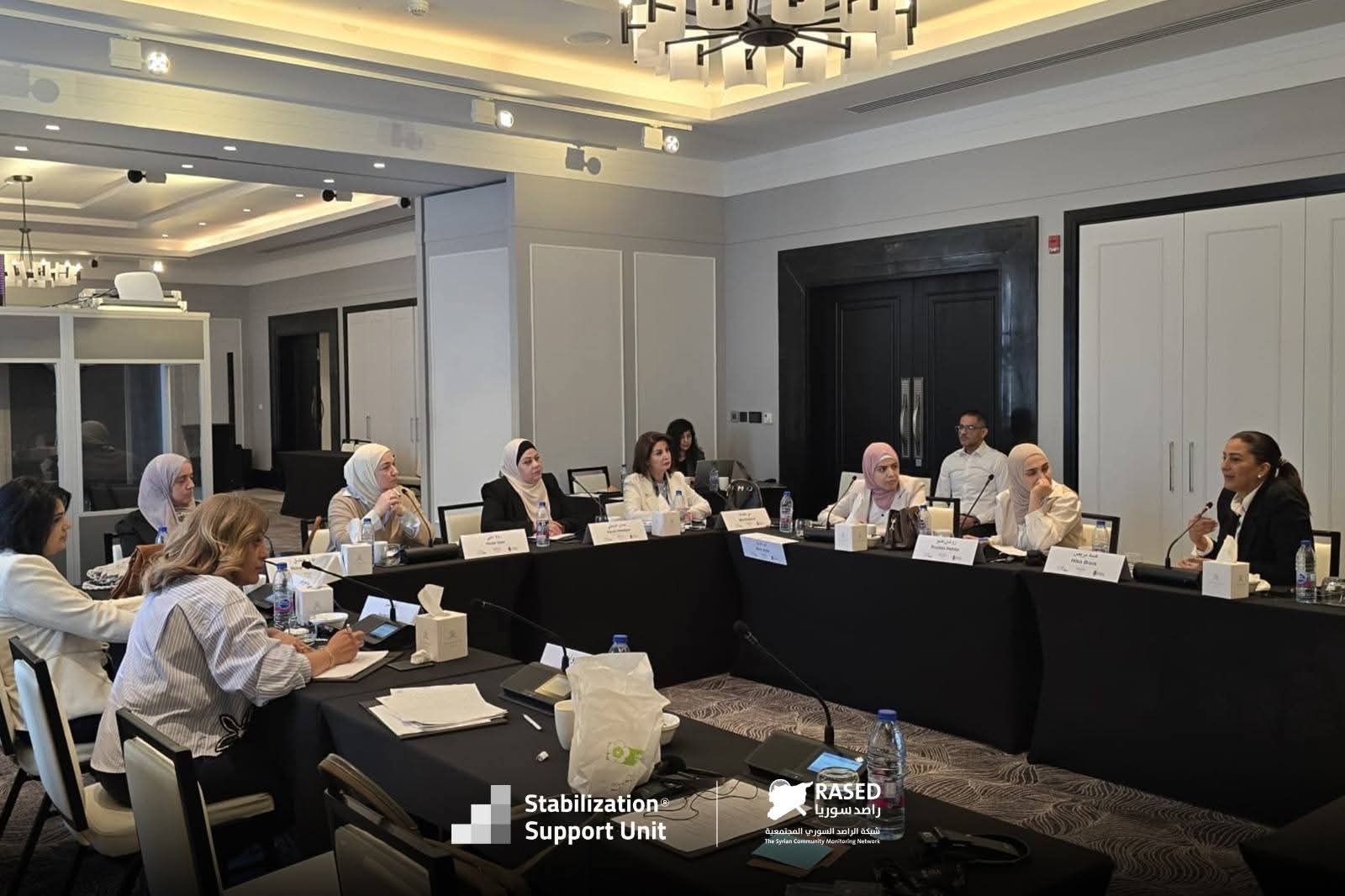
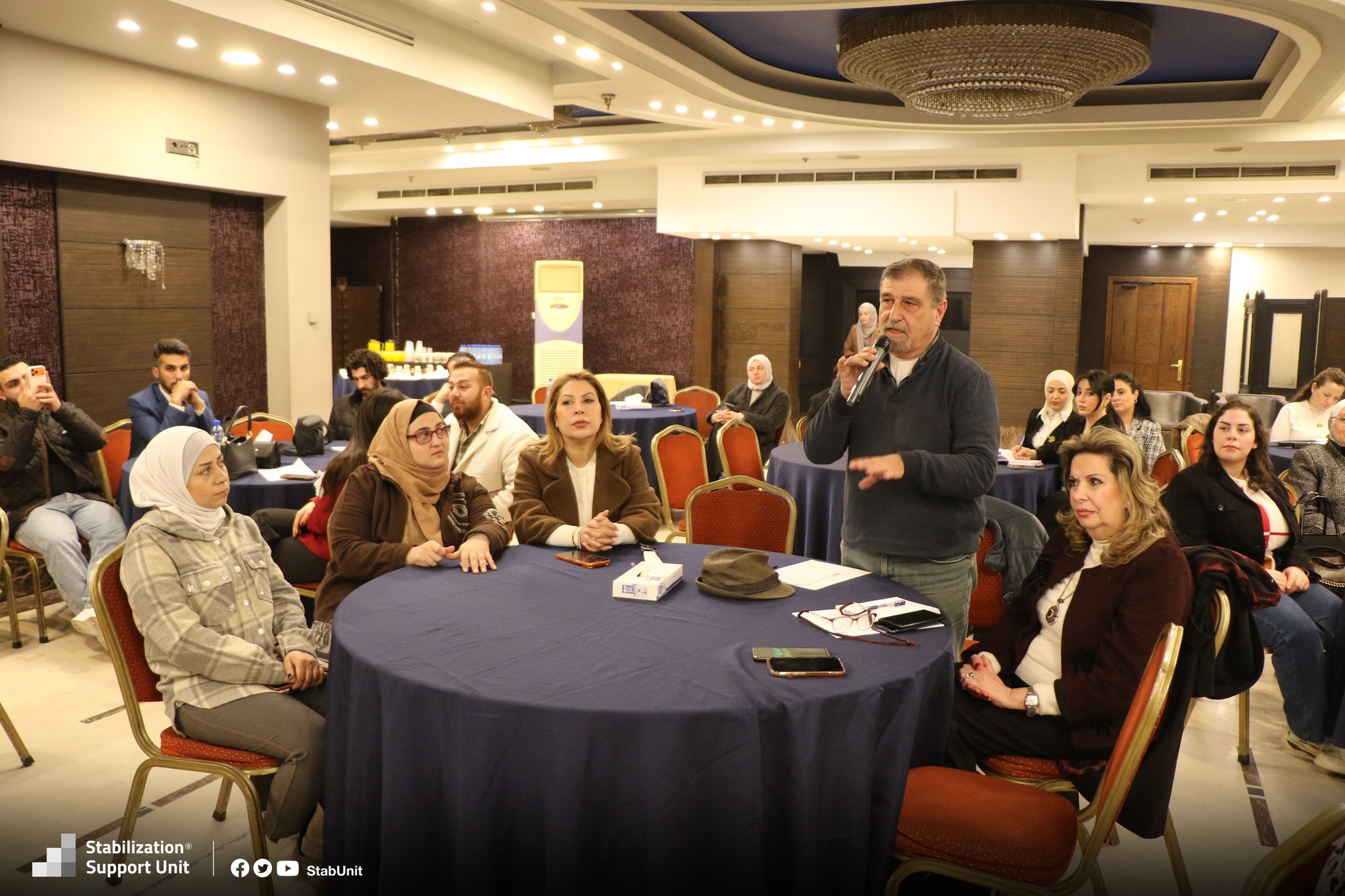
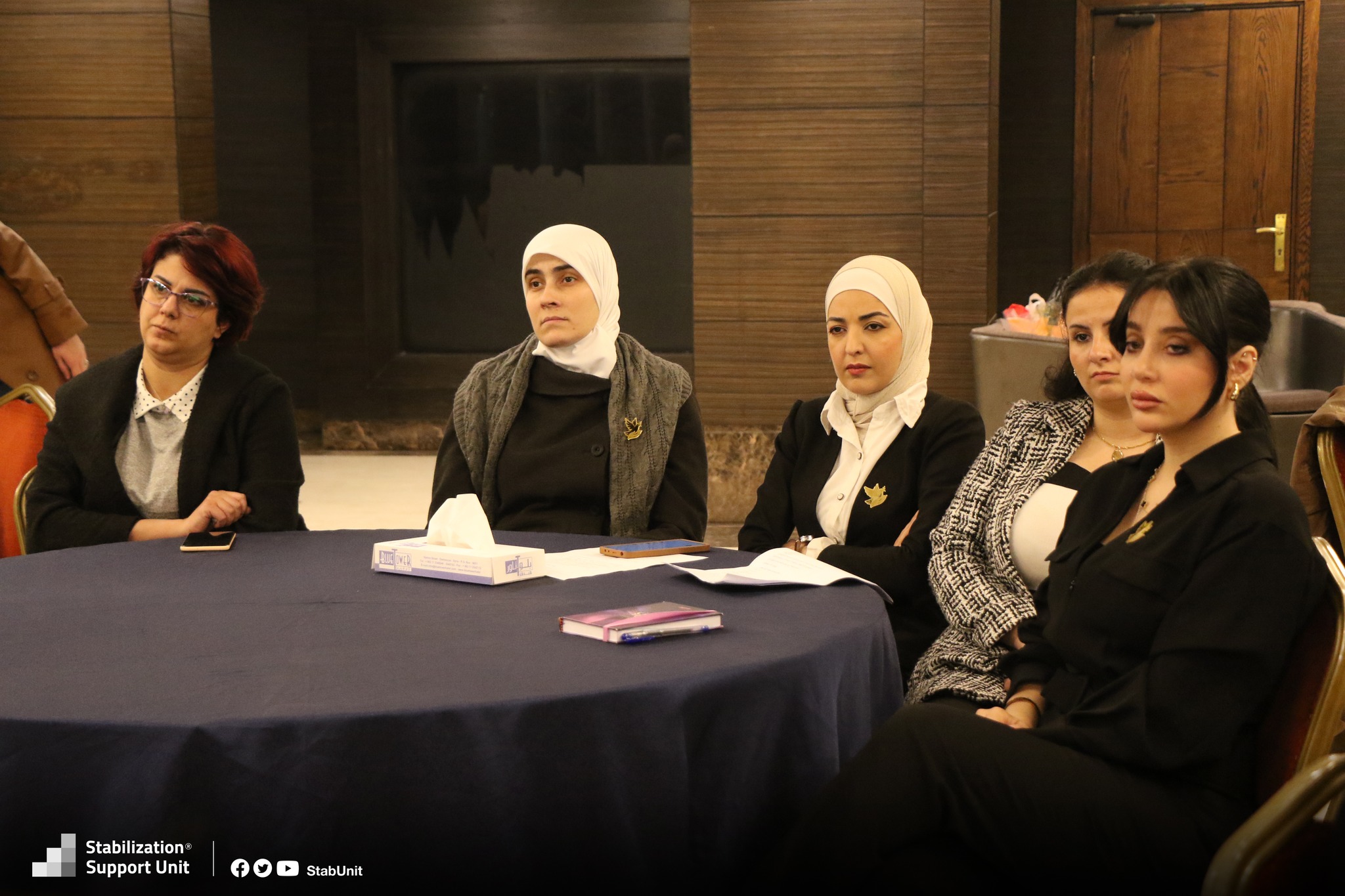
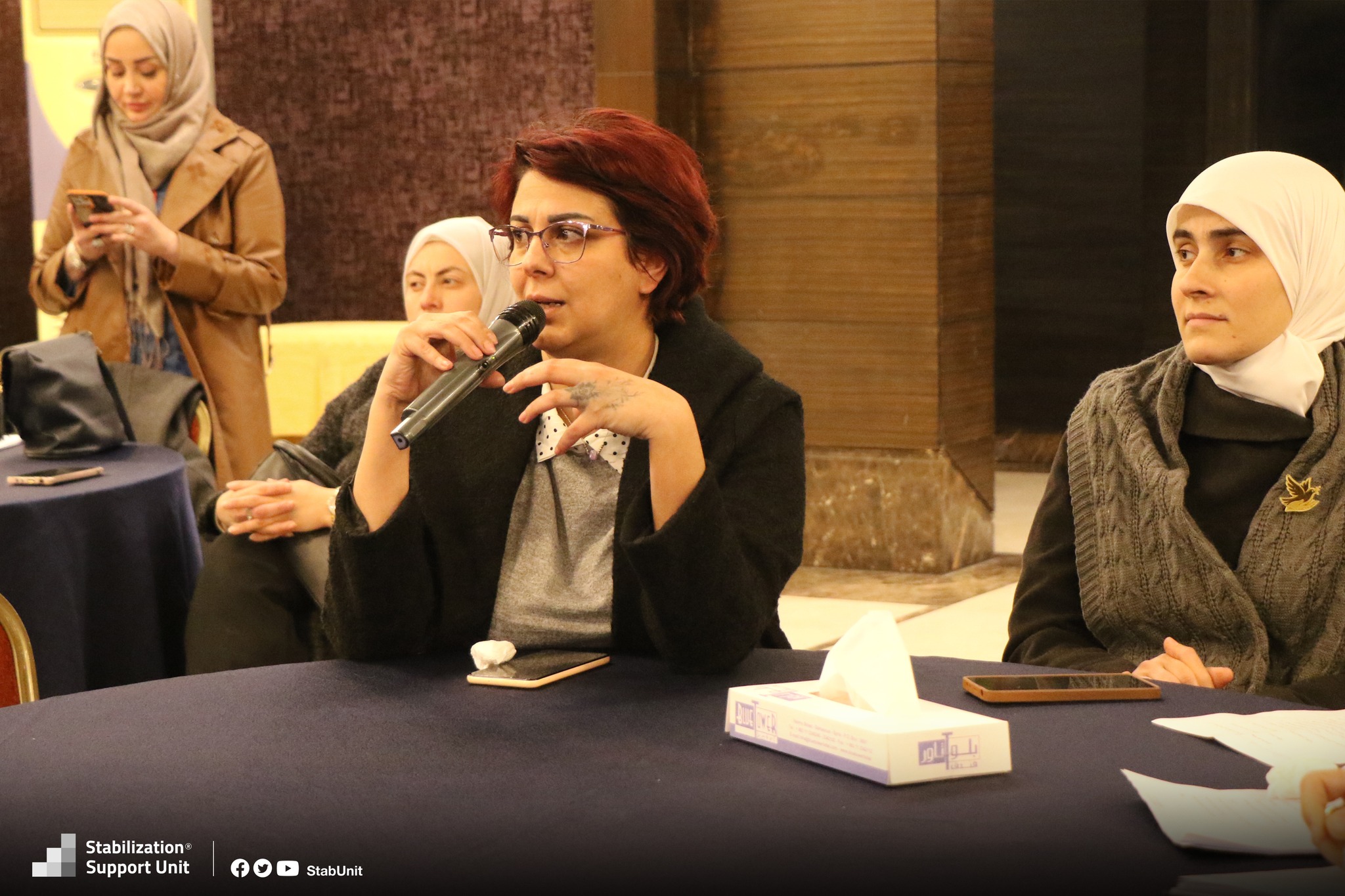
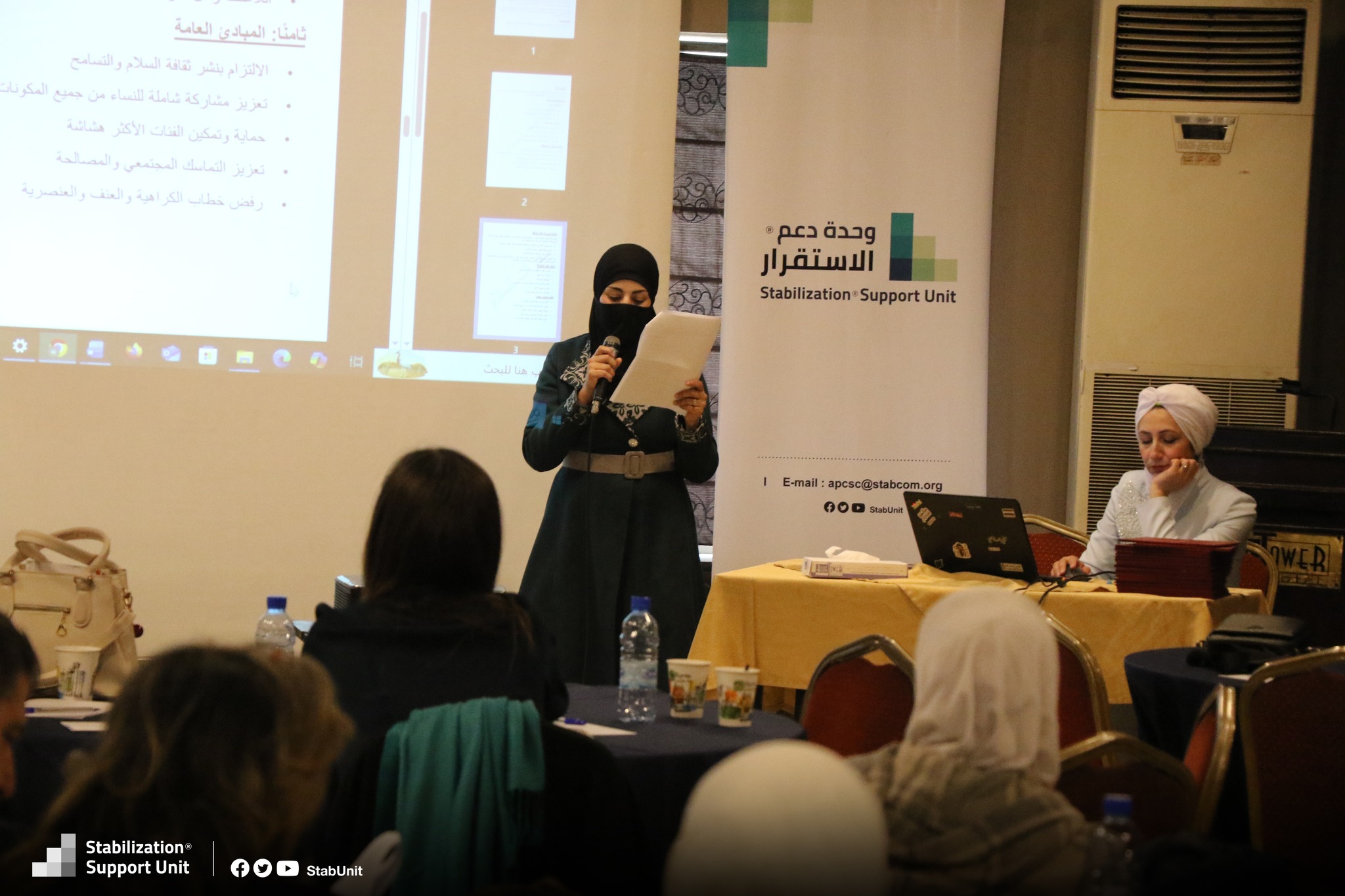
The training workshops dedicated to empowering Syrian women legislators concluded in the Amman/ Jordan. The workshops were implemented over five days by the Syrian Community Monitoring Network (RASED) of the Stabilization Support Unit (SSU), the National Democratic Institute (NDI), and the Folke Bernadotte Academy (FBA), as part of the “Support and Empowerment of Syrian Women Parliamentarians” Program, under the patronage of the Higher Committee for the Elections of the People’s Assembly.

The final day featured sessions focused on strengthening cooperation between legislative councils and civil society, mechanisms for advocacy and coalition-building, as well as discussions on the constitutional and legislative priorities for Syrian women in the coming phase, in a way that supports their presence and active participation in political and legislative life.

The workshops also provided a space for exchanging expertise and practical experiences through direct meetings and interactive discussions addressing political leadership, alliance-building, and institutional parliamentary work. The sessions brought together a group of Syrian women legislators, several Jordanian female parliamentarians, and a distinguished group of experts and specialists in legislative and political affairs.
   
The First Peace Ambassadors Forum in Damascus
Closing Report

The First Peace Ambassadors Forum in Damascus

The First Peace Ambassadors Forum in Damascus

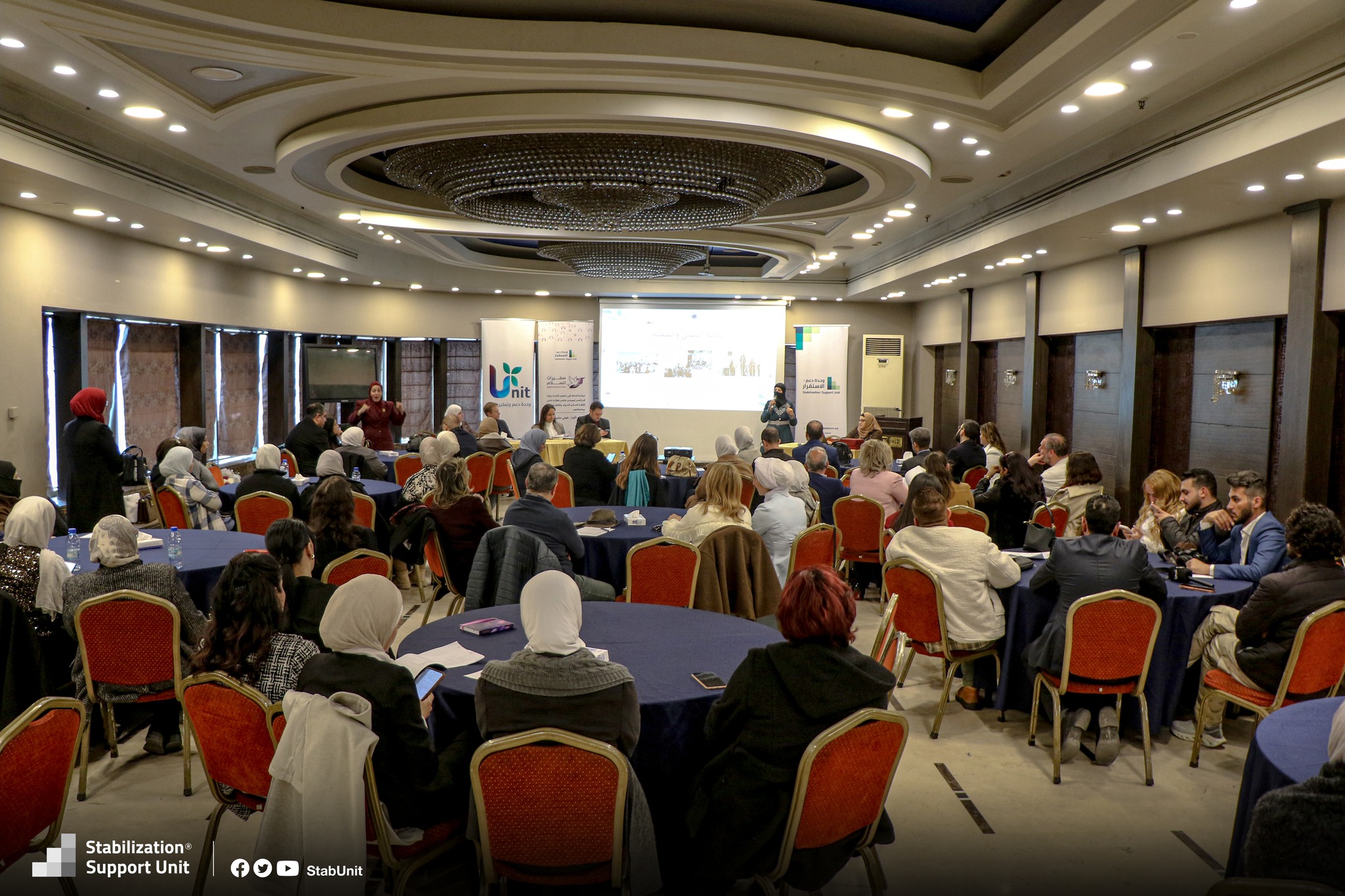
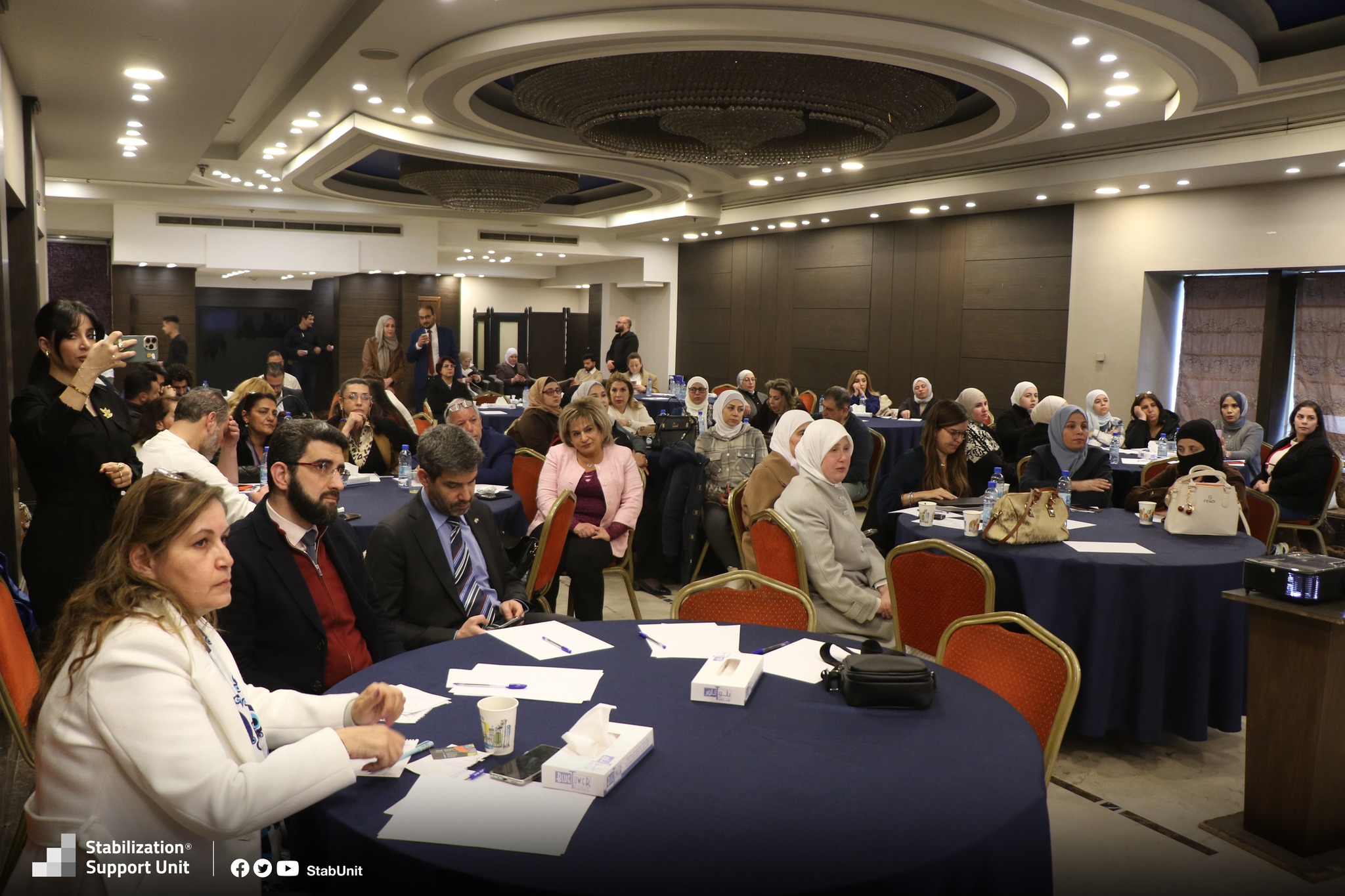
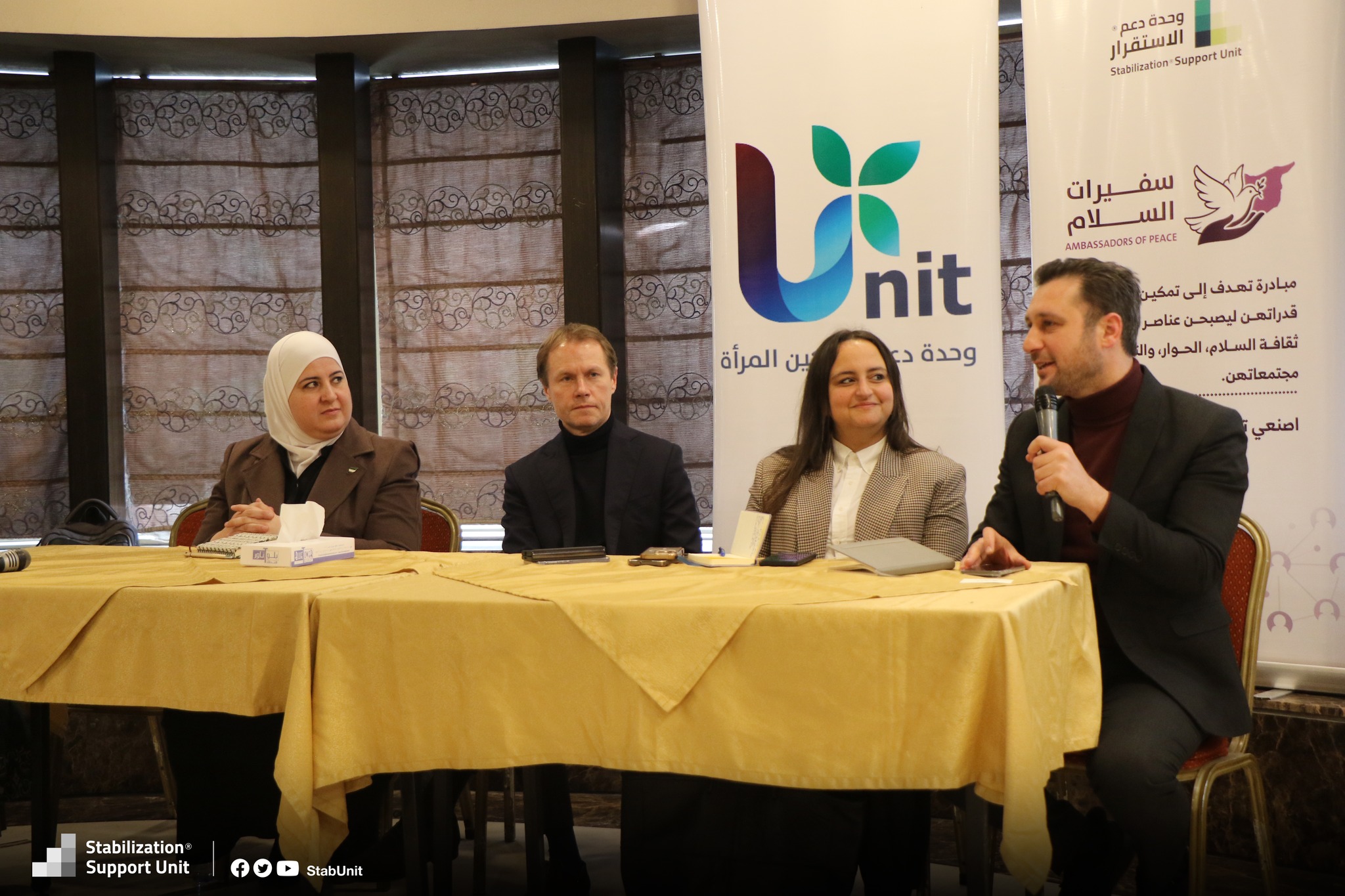
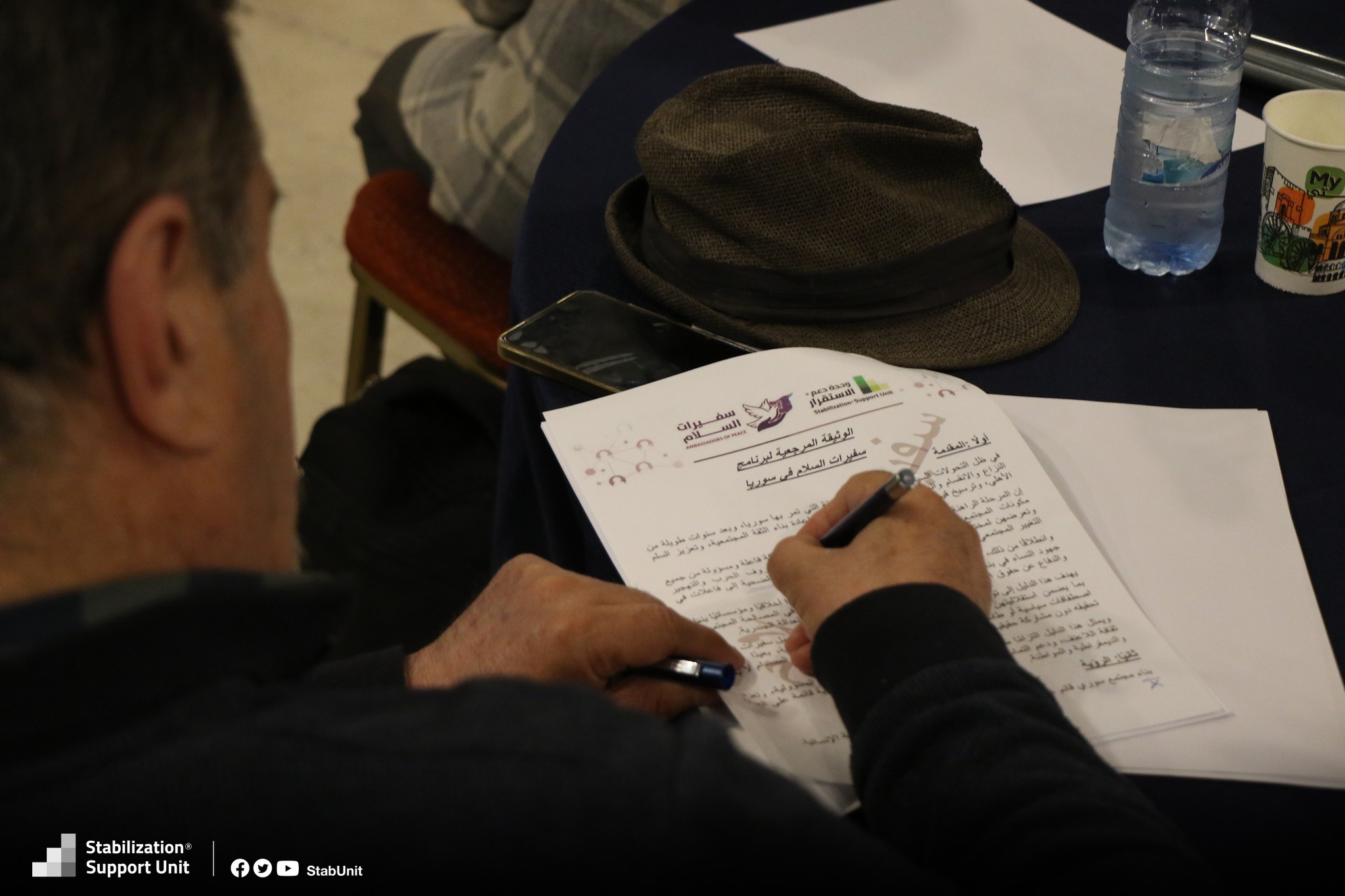
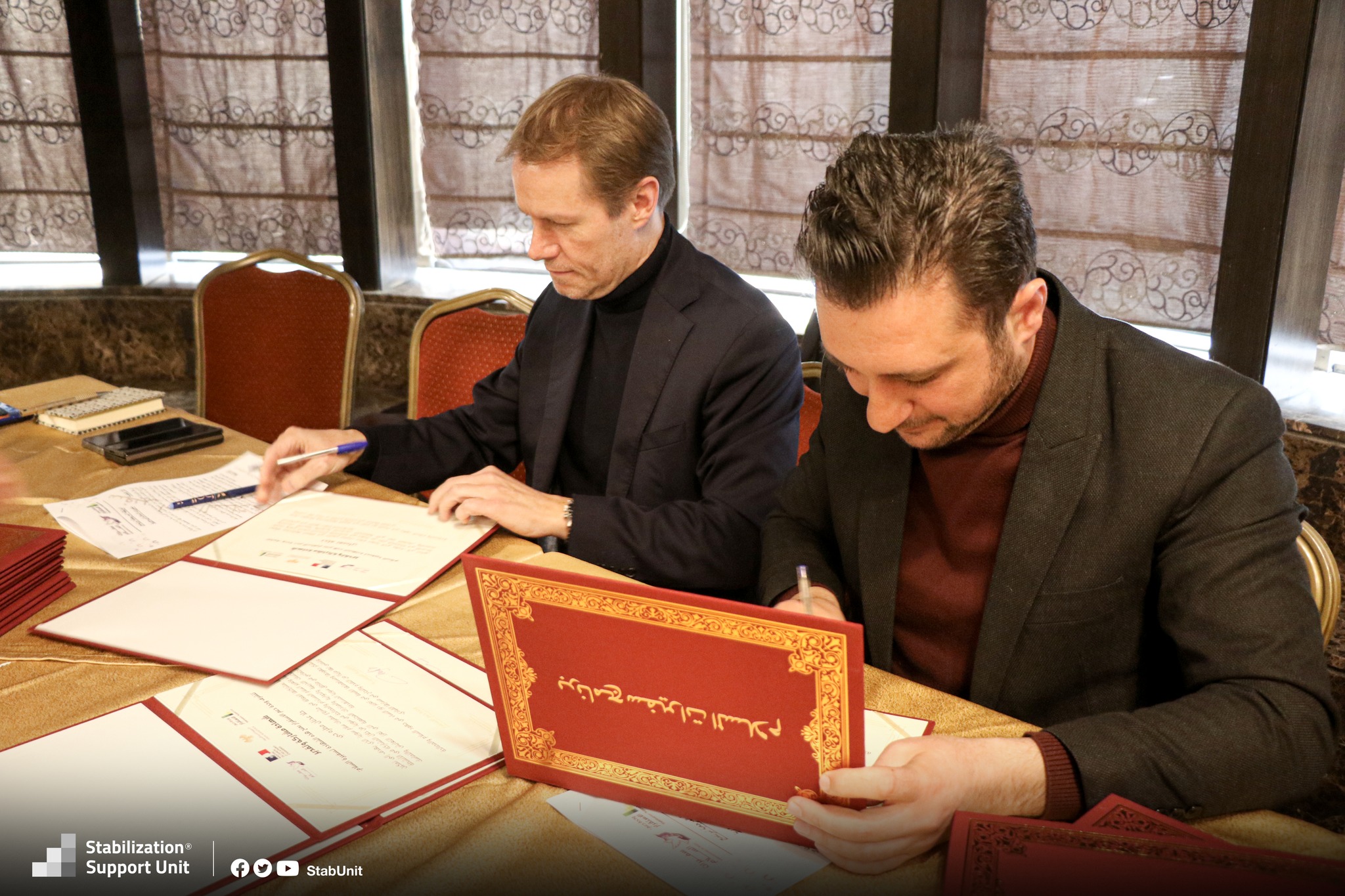
The Stabilization Support Unit (SSU) organized the first forum for Peace Ambassadors, launching the reference document for the Peace Ambassadors program in Syria. This initiative aims to enhance women's role in building civil peace and social cohesion, and to promote a culture of dialogue among different components of society, in cooperation with the Women's Empowerment and Support Unit.


The forum was attended by the Ministry of Social Affairs and Labor in Syria, along with the Acting French Ambassador in Syria, Mr. Jean-Baptiste Favre, as well as various community representatives, civil society actors, and organizations working in development and social affairs.


During the forum, the ambassadors from different governorates presented highlights of the main activities and initiatives implemented during the first phase of the program, emphasizing their role in supporting social cohesion and enhancing local dialogue.


The forum also reviewed the reference document, which serves as the program’s main framework, aiming to unify working mechanisms and guide the ambassadors’ efforts to achieve a sustainable impact in their communities.


The forum concluded with the distribution of certificates of appreciation to the participating ambassadors, recognizing their efforts and contributions to the successful completion of the first phase of the program.


Handover of the Green Jobs Project Works in Aleppo
Closing Report

Handover of the Green Jobs Project Works in Aleppo

Following the completion of the Green Jobs Project, the Stability Support Unit (SSU) team, along with the Head of the ILO Office in Aleppo, Mr. Ahmad Haj Ali, conducted a visit to the General Company for Sewerage in the city of Aleppo.

During the visit, the team handed over the works implemented throughout the project period, in addition to the operational equipment.

The works included cleaning nearly 2,000 sewage points across 11 neighborhoods in the Qadi Askar sector in eastern Aleppo. The project contributed to

Syrian Rased Community Network
Closing Report

Syrian Rased Community Network

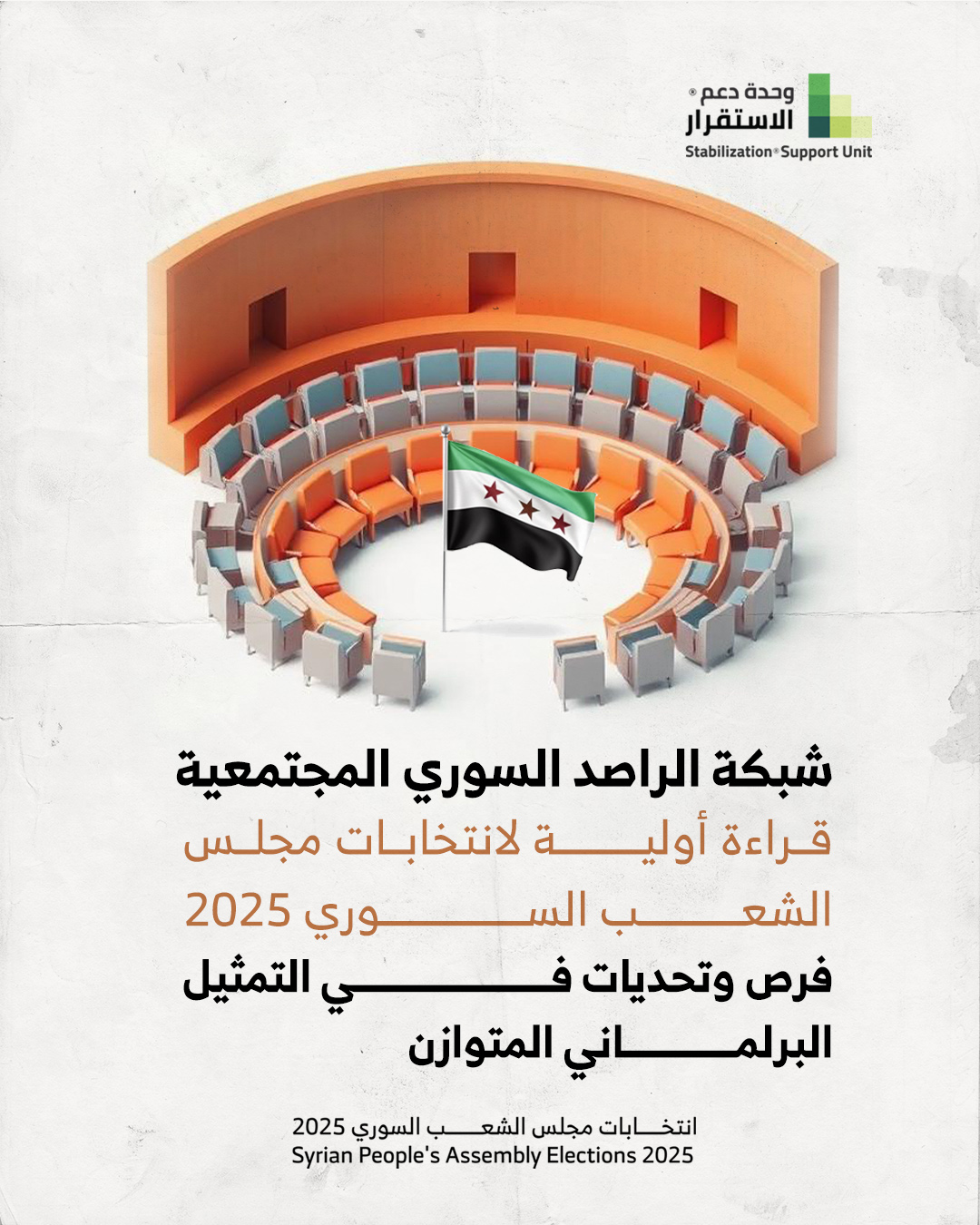
Preliminary Reading of the 2025 Syrian People’s Assembly Elections Reveals Opportunities and Challenges in Parliamentary Representation Syrian Rased Community Network: The 18–40 age group secures only 18.6% of seats in the new People’s Assembly Syrian Rased Community Network: Women hold 5% of seats, reflecting representation levels below regional and international standards Damascus – October 6, 2025: On October 5, 2025, the High Elections Committee announced the preliminary results of the Syrian People’s Assembly elections. A total of 119 parliamentarians were elected across 49 electoral districts covering all Syrian governorates. The results indicate that women’s representation stands at 5.04%, with six seats won out of 119. Although this figure remains low compared to regional and international averages, the presence of women in the assembly represents a significant step forward. It reflects the determination of several women leaders to compete despite challenging and complex circumstances. These results underscore the importance of developing a more supportive legislative and procedural environment to enhance women’s participation and strengthen their role in decision-making positions. Age Group Representation: In terms of age group representation, the results show that the majority of winners belong to the middle-aged category (41–60 years), accounting for 71% of the seats. The 18–40 age group secured 18.6%, while the elderly group (61 years and above) accounted for 10%. The average age of elected members is 48.2 years, a figure aligned with international norms and reflecting a blend of accumulated experience and youthful energy, though with varying degrees of representation among age groups. Age Group Analysis by Governorate: A detailed analysis of age groups by governorate reveals significant disparities in the average age of elected candidates across different regions. Quneitra recorded the lowest average age among elected members at (44 years), followed by Tartous (44.8 years) and Damascus (46.6 years). In contrast, Latakia recorded the highest average age at (53.9 years), followed by Daraa (52 years) and Deir ez-Zor (50.6 years). At the individual level, the youngest elected member is Mohammad Fawwaz Al-Mahalli from Aleppo Governorate, who is just 26 years old. The oldest is Osama Mohammad Saleh Al-Assaf from Deir ez-Zor, aged 72. Notably, Hama Governorate includes the youngest elected female member, Mu’mina Abdul Ghani Arabo, aged 33. Meanwhile, the governorates of Damascus, Tartous, and Quneitra had no elected members from the senior age group (over 60 years old). The Rased Syrian Community Network views these results as a significant milestone for understanding the current state of political representation in Syria, with its accompanying opportunities and challenges. The Network emphasizes that achieving gender balance and enhancing youth representation are key factors in ensuring a more inclusive and representative People’s Assembly—one that reflects the diversity of Syrian society and contributes to strengthening political participation and advancing the electoral process in the future.