Syria’s recovery through peacebuilding, good governance, and inclusive economic growth — empowering women and youth to lead change and build resilient communities.
RASD-Syria is a national initiative advancing transparency, accountability, and citizen participation in Syria’s evolving governance landscape....

To strengthen Syria’s recovery through peacebuilding, accountable governance, and inclusive economic growth — fostering trust, participation, and access to essential services and restored infrastructure, with women and youth leading lasting change.
A peaceful, inclusive, and resilient Syria where empowered communities lead recovery, uphold accountability, and shape a just and stable future
Official announcements and organizational statements.
Research, studies, and policy briefs.
Join our mission and make a difference.
Our donors and implementing partners.
Policies, procedures, and feedback mechanisms.
Office locations and communication channels.


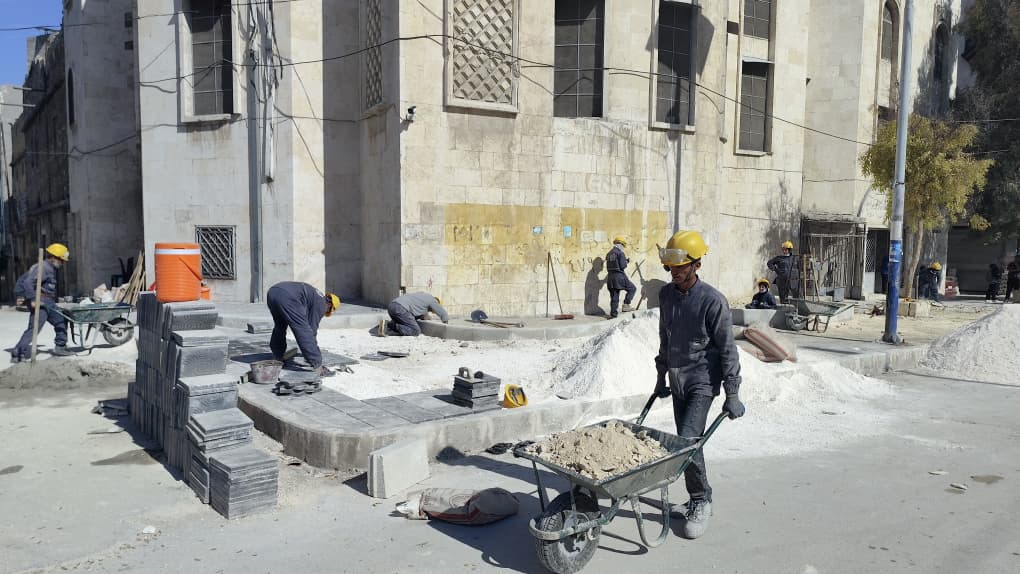
An employment-intensive initiative combining urban rehabilitation with immediate job creation for vulnerable communities in Aleppo.
Green Works Aleppo is an employment-intensive initiative that combines urban rehabilitation with immediate job creation for vulnerable communities in Aleppo. Implemented in partnership with the International Labour Organization (ILO), the project contributes to the city’s economic and social recovery by restoring essential infrastructure while providing short-term employment, vocational training, and livelihood opportunities for returnees, youth, and women.
The project applies the ILO’s Employment-Intensive Investment Programme (EIIP) model, using local labor and environmentally sustainable techniques to rehabilitate streets, drainage, and public spaces in the Qadi Askar neighborhood.
Green Works Aleppo delivers dual benefits by improving living conditions while generating dignified livelihoods. The initiative contributes to a broader vision of green recovery for decent work across post-crisis Syrian cities.


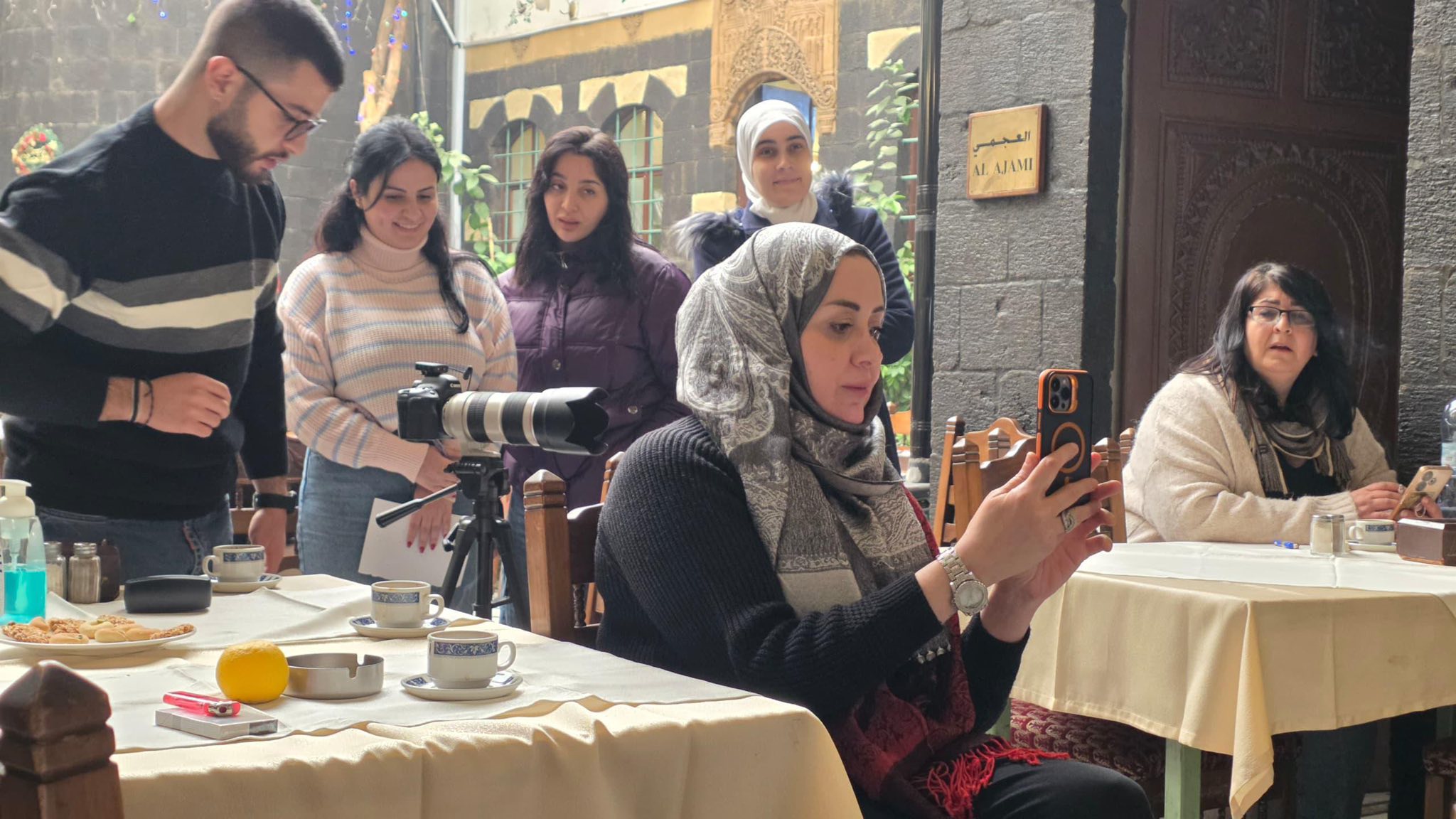
The Stability Support Unit, in cooperation with Ta’atef Association for Development, Nonviolent Communication and Charity Work, and in coordination with the Ministry of Social Affairs and Labor in Damascus, organized an event titled #Syrian_Corners.
The Ministry of Social Affairs and Labor, the Directorate of Social Affairs in Damascus, the Ministry of Sports and Youth, members of the Syrian Parliament, candidates from the electoral body, women active in the political field, representatives from Damascus Governorate, and members of the Ismaili Council.
The first day of #Syrian_Corners presented the vision of the event and its role in highlighting the richness and diversity of Syrian cultures. Several speakers emphasized the importance of creating inclusive spaces that reflect the richness of Syrian society in all its components.
The opening day then transformed into a vibrant space filled with sounds, colors, and flavors. A choir performed selections from Syrian musical heritage, traditional crafts were showcased, reconnecting attendees with the roots of Syrian craftsmanship, and guests enjoyed dishes representing flavors from various cities and villages.
The event also included a visual exhibition portraying Syria through its creators — artists, writers, directors, and poets.
Numerous media outlets covered the event, documenting the activities and participation, in a comprehensive scene celebrating diversity and bringing together all corners of Syria into one national mosaic.
This event is part of the project “Enhancing National Participation and Building Trust – Bridges”, funded by the European Union, Germany, and Denmark, within the framework of the Peace Initiative in Syria implemented by the German Agency for International Cooperation (GIZ).

In the presence of a representative from the Syrian Ministry of Foreign Affairs and the Director of the American Affairs Department, Mr. Qutayba Idlbi, Mr. Nour Eddin Al-Baba, the spokesperson for the Syrian Ministry of the Interior, and Ms. May Brazi, the Advisor to the Minister of Social Affairs and Labor for displaced persons.
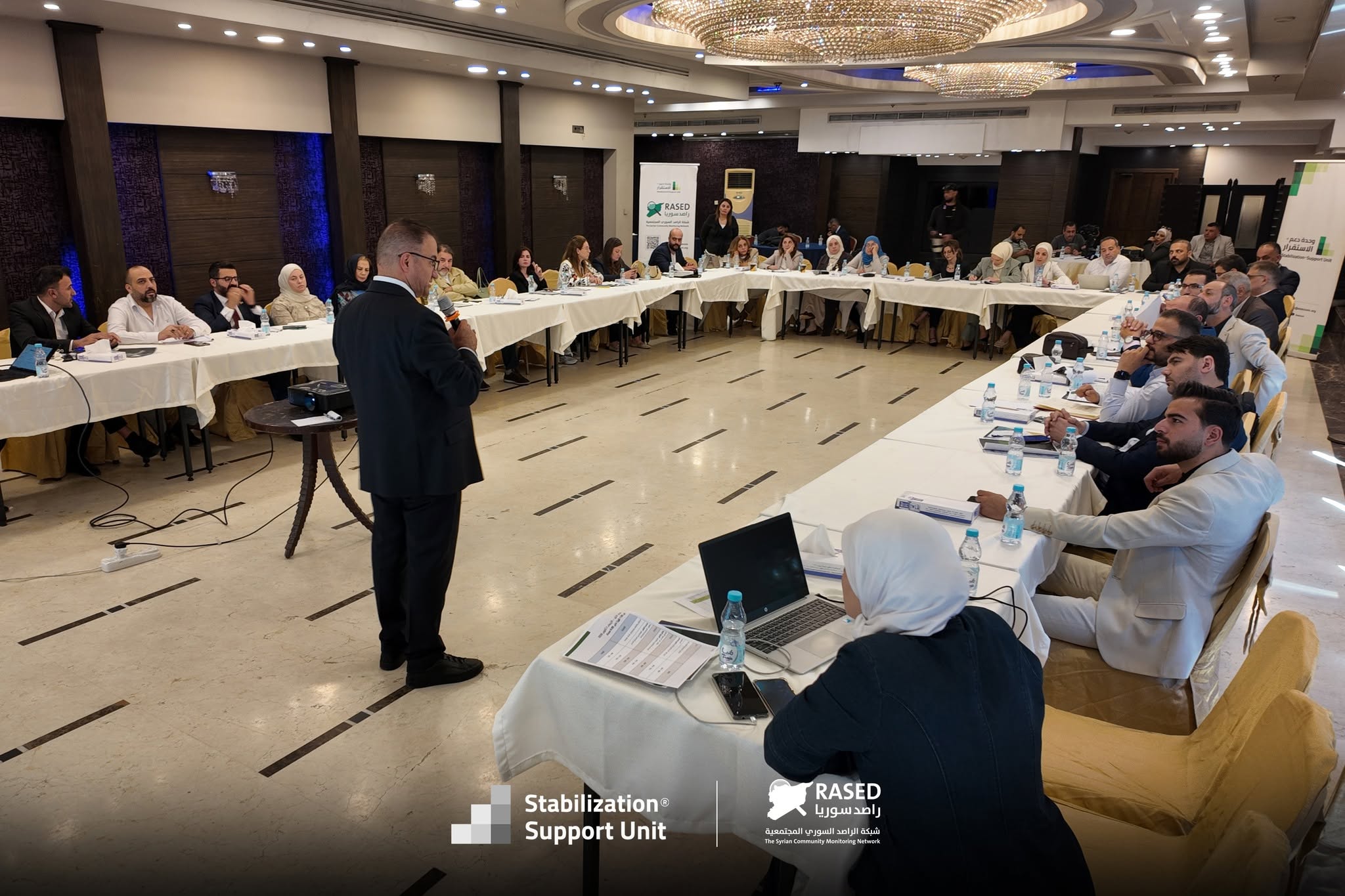
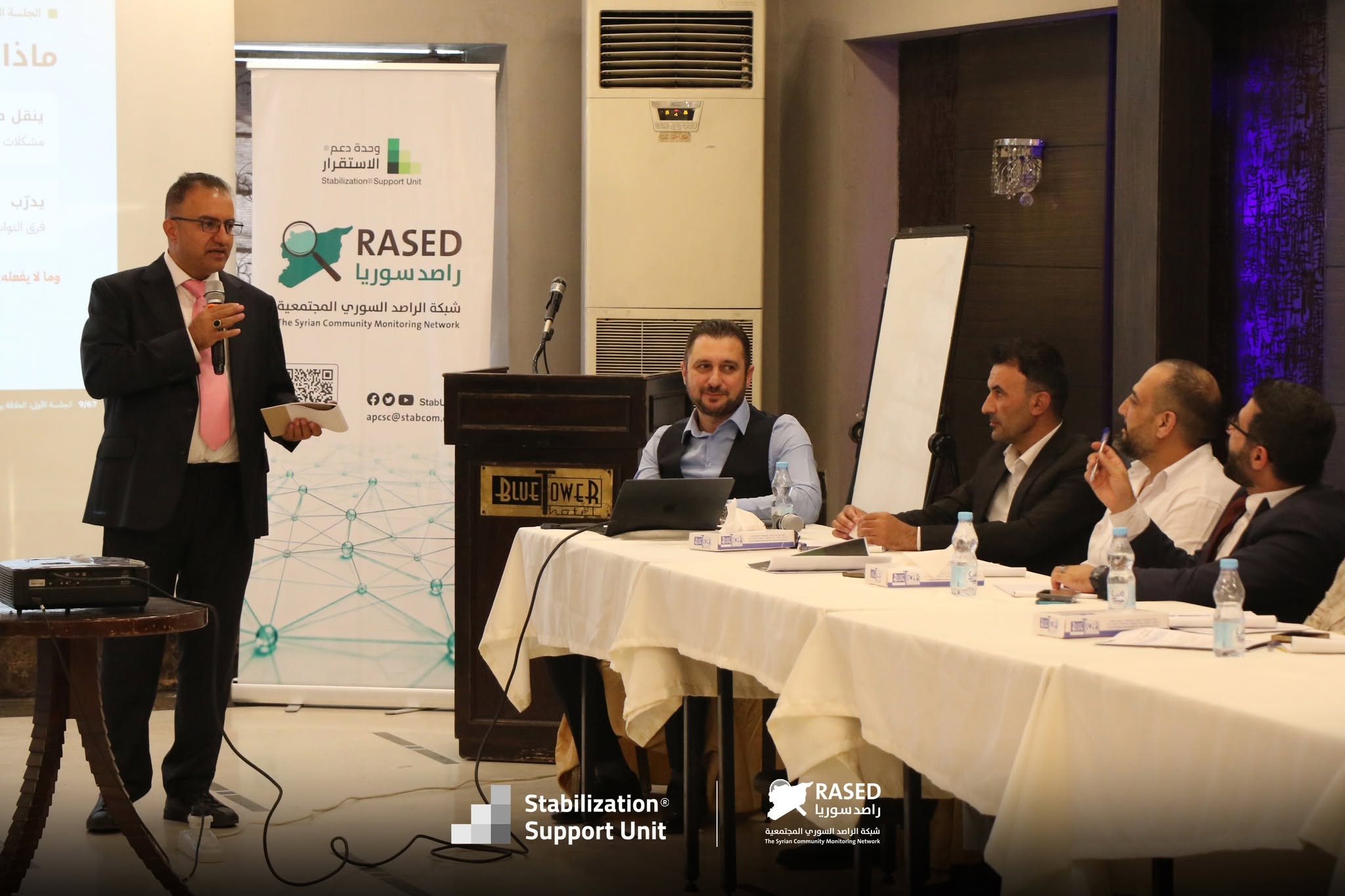
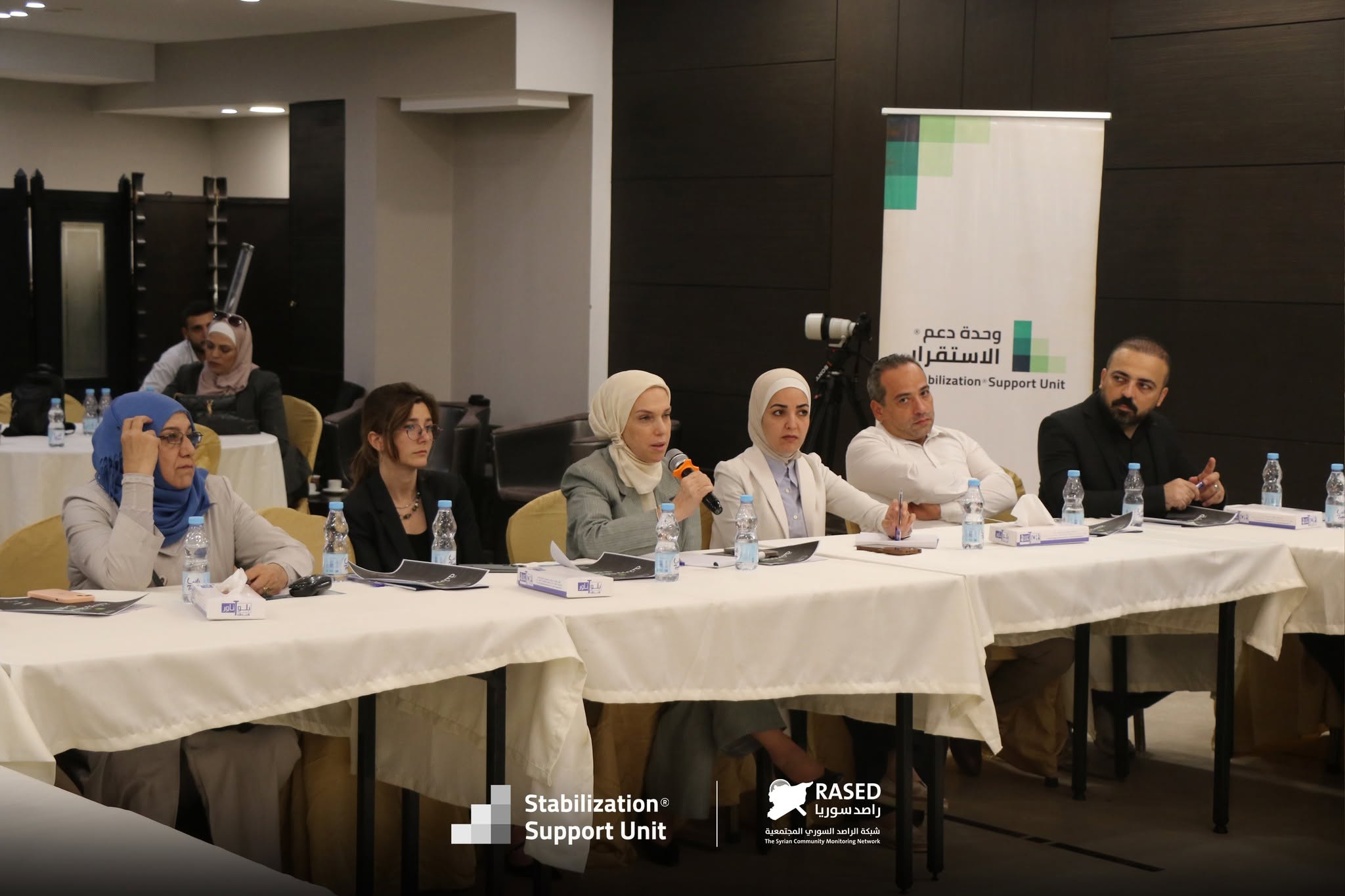
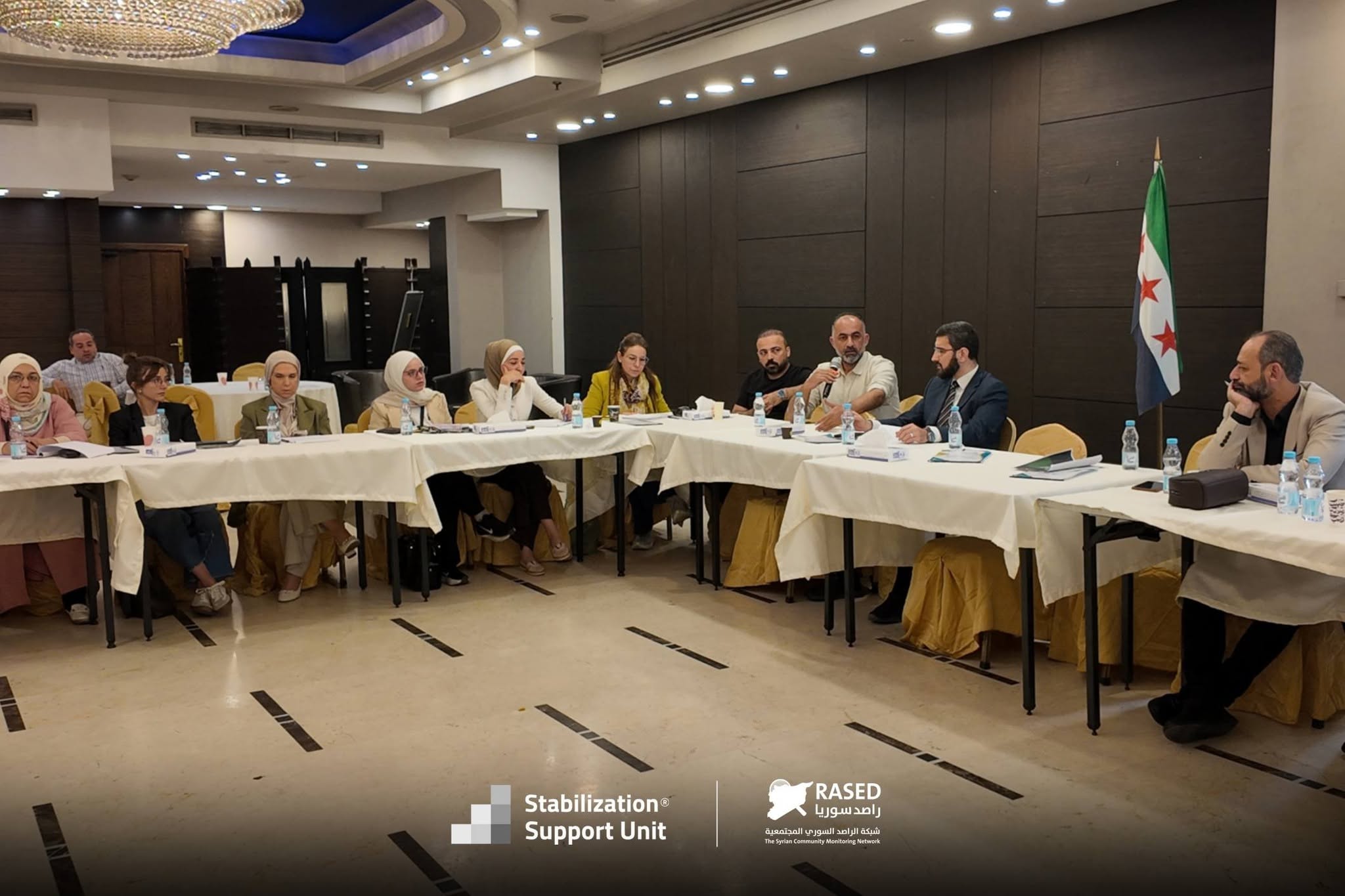
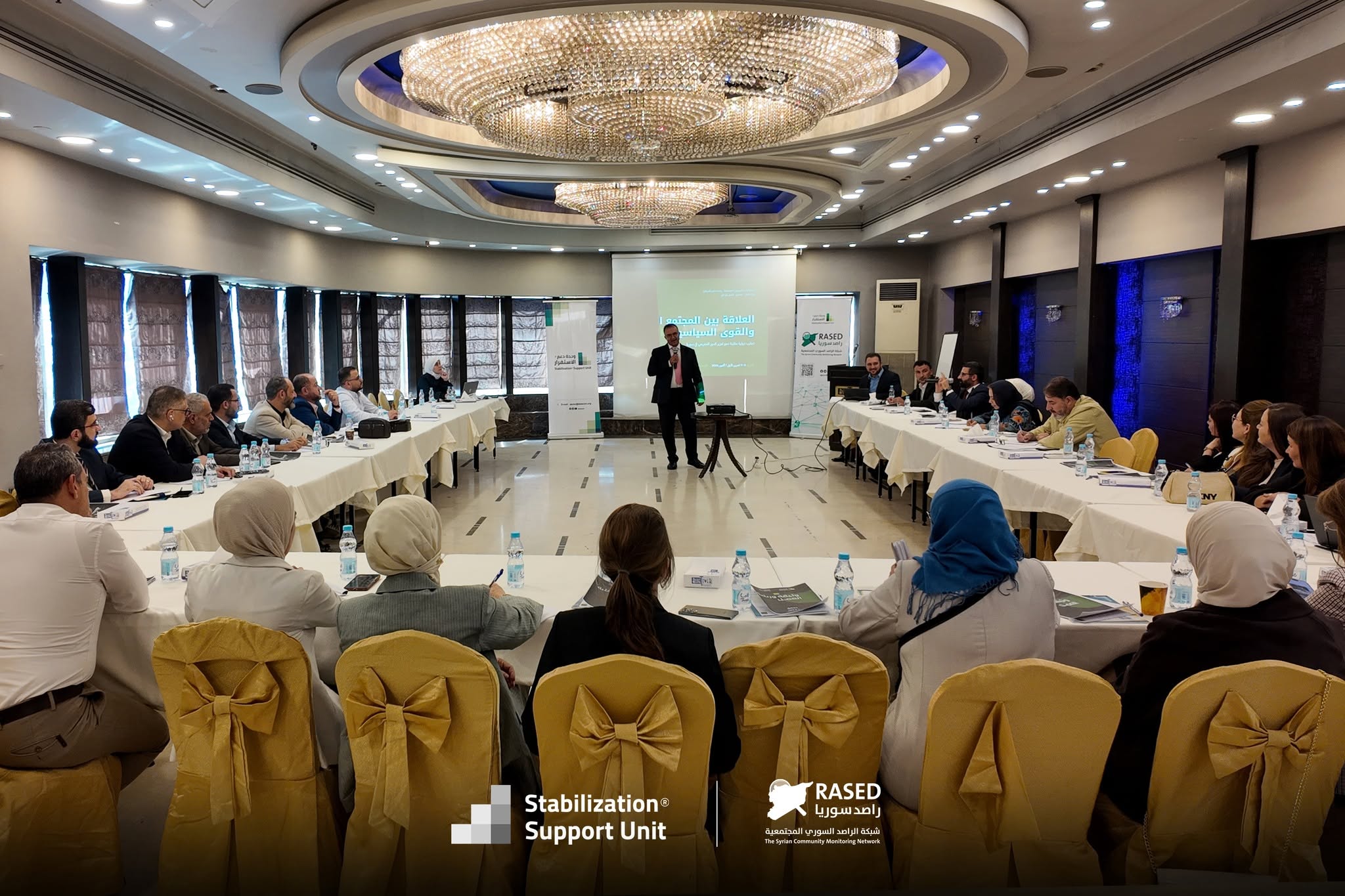
In addition to representatives from the international coalition and several UN agencies and Syrian organizations, the Stabilization Support Unit held a dialogue session in Damascus, in partnership with the United Nations High Commissioner for Refugees (UNHCR), dedicated to discussing the future of the families leaving Al-Hol camp and the challenges related to their evacuation and reintegration into their local communities.
The Executive Director of the Stabilization Support Unit, Munzer Sallah, spoke about the session, clarifying that its aim was to discuss the situation of Al-Hol camp and identify the basic needs of returning families, emphasizing the importance of evacuating the remaining families, over 14,000 of whom are mostly women and children, and that the main goal of this dialogue is to define roles and strengthen coordination mechanisms among all partners to ensure the desired results.
On her part, the Deputy Head of the UNHCR Mission in Syria, Asir Al-Mudai'in, highlighted that UN organizations operating in Syria are supporting the Syrian authorities in the process of return and rehabilitation of families in preparation for their return.
Mr. Qutayba Idlbi, Director of the American Affairs Department in the Ministry of Foreign Affairs and Expatriates, confirmed that the Ministry's role in the refugee return process is based on coordination and integration with the relevant ministries and government agencies, particularly the Ministries of the Interior and Social Affairs and Labor, to provide all necessary services and logistics for the return of families to their original areas.

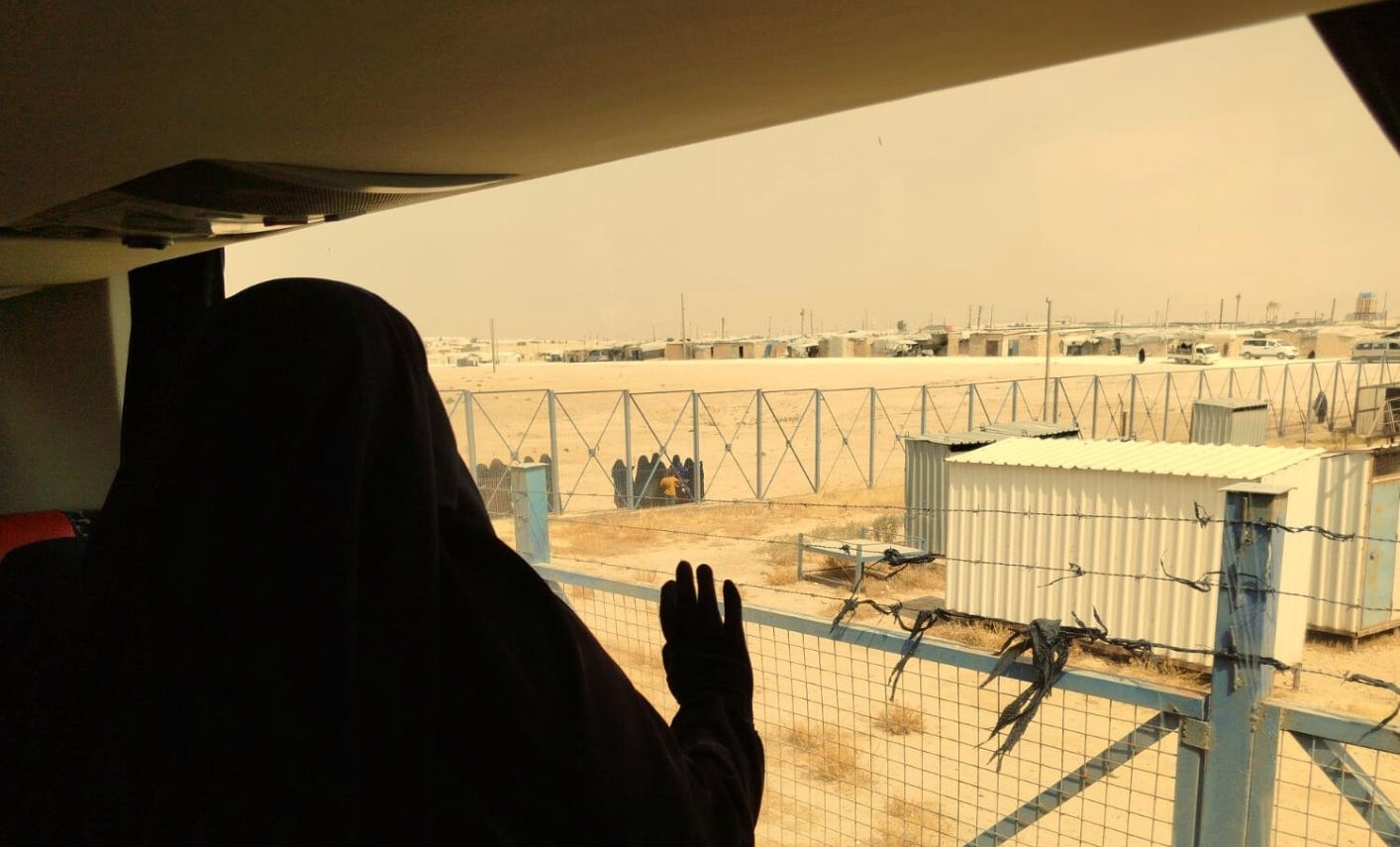
At the invitation of RASED Jordan, the Executive Director of the Stabilization Support Unit visited Al-Hol Camp in the rural Hasakah Governorate. The SSU delegation conducted a series of visits, including to the RASED Jordan office, the Independent Election Commission in Jordan, and several organizations and international institutions concerned with supporting the Syrian people.
The Executive Director also met with several families from the camp and listened directly to their demands and the challenges they face.
Explore partnerships, career opportunities, and ways to support our mission.