The Syrian Sect: A Civil Initiative to Confront Division
The Syrian Sect: A Civil Initiative Confronting Division
In early 2025, with escalating security tensions in the Syrian coast, particularly in the rural areas of Latakia, the urgent need for a humanitarian and community response to address the complexities of the local situation became apparent. Rising violence, near-total interruption of essential services, and growing social divisions created a dangerous environment threatening the remaining civil cohesion.
In this context, the “Syrian Sect Network” emerged as a comprehensive civil initiative, bringing together several Syrian civil society organizations under one goal: to enhance social cohesion and respond to the humanitarian crisis without discrimination.
From Emergency Response to Community Action
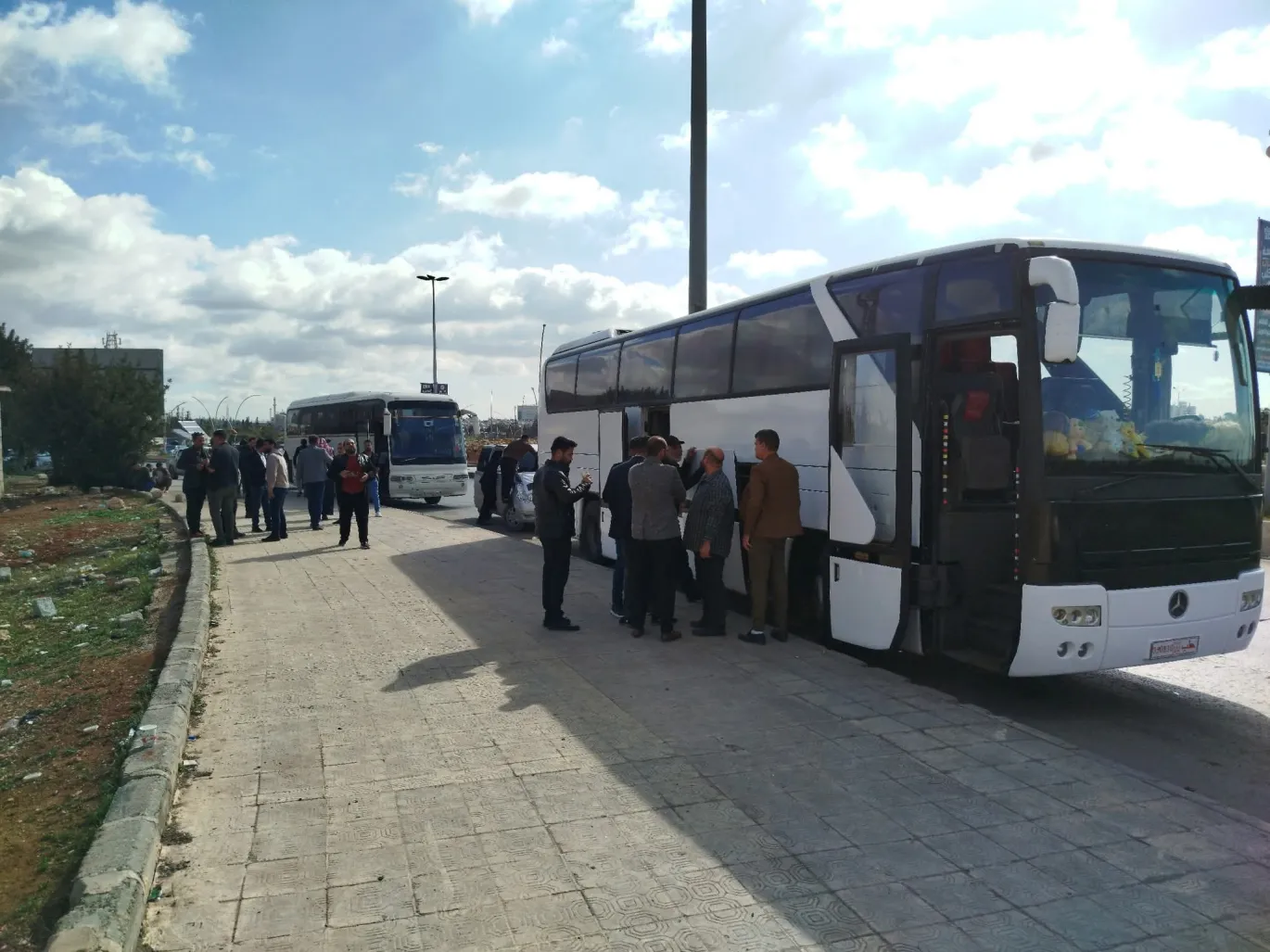
The initiative began as a direct response to the bloody events in the region in March 2025, which included attacks by pro-regime militia groups (known as remnants of the regime) on Syrian security forces, violent clashes, waves of displacement, and infrastructure collapse. The Stabilization Support Unit (SSU), alongside partners such as Kafa Organization, Al-Risala Foundation, The Women’s Association, The Civil Center, The Women’s Empowerment and Support Unit, Catholic National Socialization Committee, and Point Organization, led swift efforts to assist the affected residents in areas starting from the villages of rural Latakia, moving through Tartous, and reaching Aleppo and Daraa.
The response included:
- Distribution of over 1,000 food baskets, 15,000 loaves of bread, and 2,500 ready meals.
- Health assistance, including hygiene supplies, diapers, towels, and cleaning materials.
- Direct cash support for 300 needy families.
The campaign did not only focus on aid distribution. Alongside the relief efforts, community dialogue sessions were organized, involving dignitaries, local residents, and activists from various regions, aiming to break stereotypes and enhance communication. Field interviews and “confession” meetings with the families of victims were conducted to provide a safe space for expression and reconciliation.
These activities contributed to:
- Engaging the local community in analyzing their situation and proposing their initiatives.
- Opening communication lines between communities that had been living in isolation.
- Raising awareness of the importance of social unity in the post-war context.
Challenges Faced:
The campaign teams faced severe logistical difficulties due to rough roads, limited funding, and significant time pressure. Most activities were carried out within six days, requiring rapid action with limited resources. There was also a noticeable need for a deeper understanding of the local and cultural contexts in some targeted villages.
Despite these challenges, the aid reached nearly 30,000 beneficiaries, with over 350 volunteers from the communities involved in the campaign’s execution. This helped build trust between the residents and the organizations, and several participants expressed their readiness to take part in future community initiatives.
Key Outcomes of the Campaign:
- The UN fact-finding committee communicated with the coordination team to learn about the operational mechanisms.
- A voluntary initiative by youth from the Syrian coast to visit areas in the north, which marked an important turning point in breaking social barriers.
The Syrian Sect Network represents a practical model of how civil action can intervene effectively amidst crises by combining emergency relief with community-building. It is a practical step toward comprehensive community recovery, not only providing aid but also rebuilding trust among Syrians themselves.