The Convoy of Hope: A New Chapter for Al-Hol Families
A landmark humanitarian operation marks the first step toward reintegration and healing for Syria’s most vulnerable
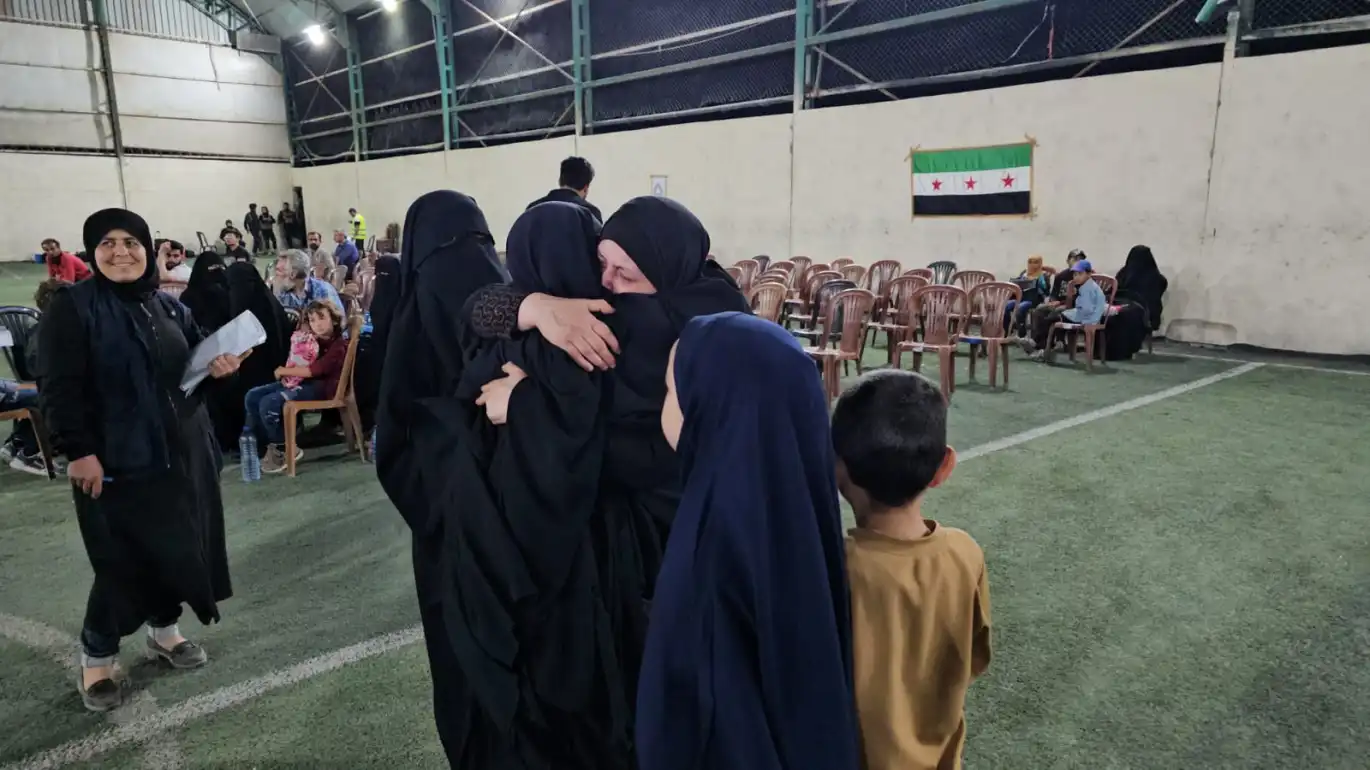
In a historic first, and in cooperation with the United Nations High Commissioner for Refugees (UNHCR) — which facilitated an agreement between the Syrian Government and the Syrian Democratic Forces in Northeast Syria — the Stabilization Support Unit (SSU), in partnership with the Syrian Center for Studies and Dialog, launched a humanitarian initiative aimed at evacuating 42 families from Al-Hol Camp.
This operation marks the beginning of a broader strategy to relocate 99 of the most vulnerable families—many facing severe health challenges—and offers hope for thousands who have endured years of displacement, deprivation, and isolation
A Humanitarian Turning Point
As part of an unprecedented agreement, UNHCR and the Syrian Government committed to assisting 99 families in Al-Hol Camp suffering from chronic and life-threatening medical conditions. The initiative also includes the first-ever humanitarian convoy to cross from northeast to northwest Syria—representing both a logistical breakthrough and a symbolic shift toward reintegration
Al-Hol: A Landscape of Loss
Al-Hol Camp has become home to more than 15,800 families—half from Aleppo—who have spent years under harsh, isolated conditions. Children born into the camp have never experienced life outside its fences, while women, elderly individuals, and people with disabilities bear the brunt of deteriorating conditions
The Convoy of Hope: More Than a Journey
Led by SSU and the Syrian Center for Studies and Dialogue, and supported logistically by Aleppo Governorate, the initial phase relocated 42 families over 2.5 days.
Key operational highlights included
22 trucks transporting belongings
4 buses for families
5 fully equipped ambulances with medical teams
The convoy’s 12-hour journey from Al-Hasakah to Aleppo adhered to strict safety protocols. Some children, unused to travel, experienced nausea, prompting a stop for medical attention—successfully managed by the onboard team.
A Structured Reception in Aleppo
At the Aleppo reception center, the Directorate of Health provided medical screenings, vaccinations, and documentation for each family member. Specialized units also offered psychosocial support to address trauma stemming from a decade of separation and camp life. Document verification and needs assessments were conducted before families shared a modest dinner and were transferred to temporary shelters.
Organized Relocation with Dignity
Families were relocated based on destination zones
Code A: Aleppo City – 17 families
Code B: Homs (2), Al-Sfera (7), Deir Hafer (3)
Code C: Al-Bab (10), Azaz (3)
Transfers were tailored to family needs, ensuring careful coordination with receiving communities
A Warm Reception and a Broader Vision
The initiative drew support from both the Syrian Government and the Autonomous Administration in northeast Syria. Families expressed a strong desire to reunite with loved ones still in the camp. SSU confirmed that this was only the beginning of a phased plan to relocate all families in need
Beyond Evacuation: A Call for Reintegration
Initial assessments reveal urgent and complex needs:
Psychological trauma and mental health challenges
Chronic illnesses needing continuous care
Children with disabilities requiring tailored support
Elderly and widowed women without caregivers
Families with no income in need of vocational training and financial aid
Host families now stretched thin accommodating returning relatives
Meaningful reintegration requires long-term, multi-sectoral support—from psychosocial care to economic recovery and community rebuilding.
A Pledge for the Future
The Convoy of Hope is more than a transport mission; it is a declaration of commitment to recovery, dignity, and the right to a life beyond survival. As further phases unfold, the challenge remains: not just to move families, but to restore their futures.